Debunking Common Myths About Translation Services in Spain


Myth 1: All Translators Are the Same
One of the most common misconceptions about translation services is that all translators provide the same level of quality and expertise. In reality, translators can specialize in various fields such as legal, medical, technical, or literary translation. Choosing a translator with expertise in your specific area is crucial for ensuring accuracy and effectiveness.

Specialization Matters
Specialized translators have a deep understanding of industry-specific terminology and context. For instance, a legal translator in Spain will be well-versed in Spanish legal terms and procedures, which is essential for accurate document translation. It's not just about language proficiency; it's about expertise in a specific field.
Myth 2: Machine Translation Is Just as Good
With the advancement of technology, many believe that machine translation can replace human translators. While tools like Google Translate offer quick solutions, they lack the nuance and cultural understanding that human translators provide. Machine translations often miss the subtleties of language, leading to errors and misunderstandings.
Human Touch Is Irreplaceable
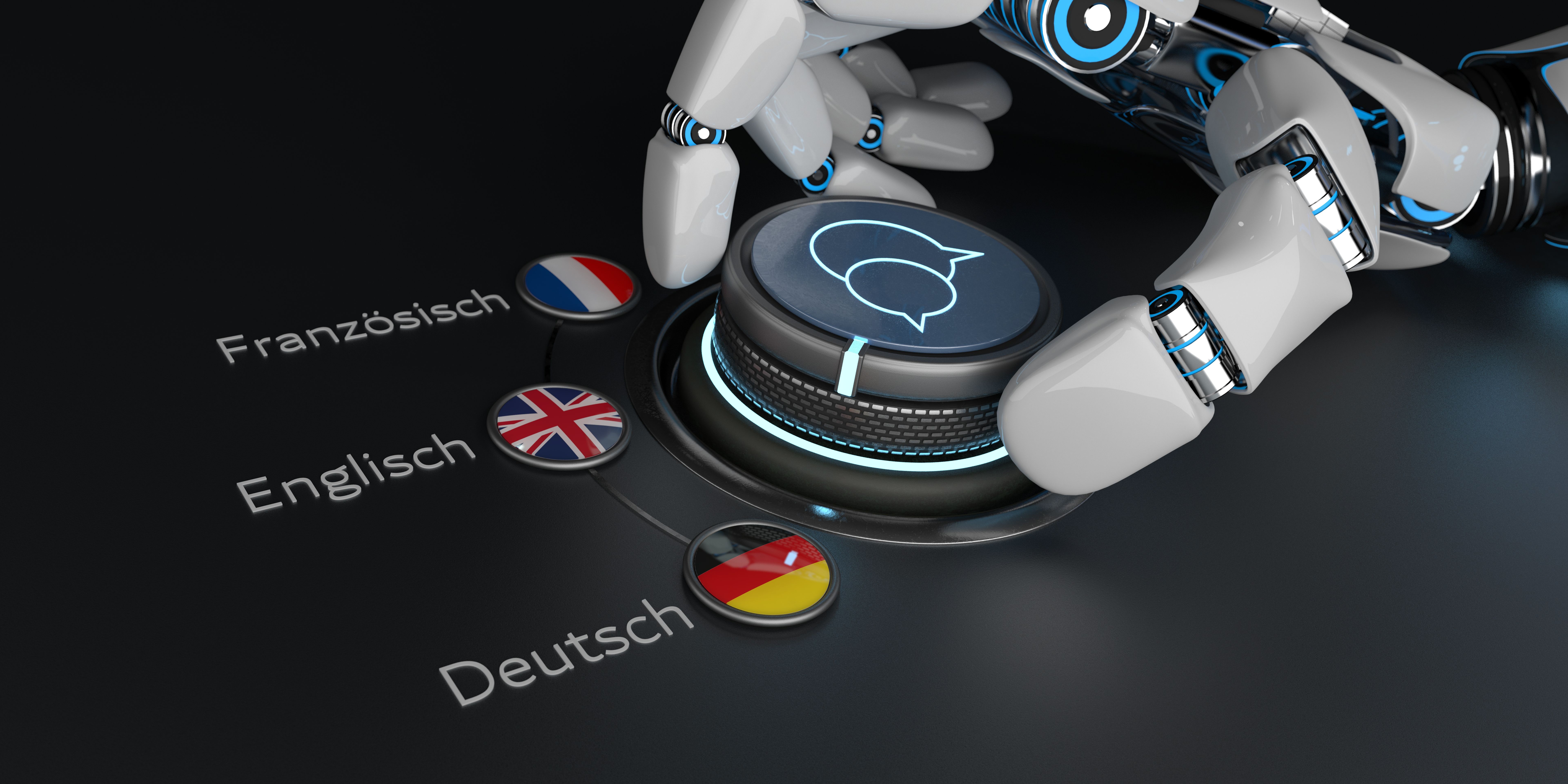
Human translators capture the cultural and emotional context behind words, something machines cannot replicate. For businesses operating in Spain, this is crucial for maintaining brand voice and ensuring messages resonate with the local audience. Relying solely on machines can result in translations that feel robotic and disconnected.
Myth 3: Translation Services Are Too Expensive
Another widespread myth is that translation services are prohibitively expensive. While professional services do come with a cost, the investment often leads to better outcomes for businesses. Accurate translations can help avoid costly mistakes and enhance customer satisfaction.

Value Beyond Price
Consider the potential negative impact of poorly translated materials: lost business opportunities, damaged reputation, or legal issues. The long-term benefits of professional translation far outweigh the initial expense. Additionally, many services offer customized packages to fit different budgets.
Myth 4: Bilingual Employees Can Handle Translations
Relying on bilingual employees for translation might seem like a cost-saving strategy, but it often leads to subpar results. Being bilingual does not automatically equate to being a skilled translator. Professional translation requires understanding the nuances and subtleties of both languages.
Professional Skills Are Essential
Translators are trained to convey the source text's meaning accurately while maintaining its tone and style. They also have access to specialized tools and resources that ensure consistency and quality. Trusting professionals can prevent potential pitfalls associated with amateur translations.
Myth 5: Translation Is Only About Words
Lastly, many people think translation is just about converting words from one language to another. However, effective translation involves understanding cultural contexts, idioms, and local customs. This cultural insight is vital for engaging effectively with Spanish audiences.

Beyond Language
Translators act as cultural mediators, ensuring that the translated content is appropriate and resonates with the target audience. This cultural sensitivity is crucial for businesses aiming to establish a strong presence in Spain. Proper translation enhances communication and fosters better relationships with local customers.