Top 5 Misconceptions About Certified Translation


Understanding Certified Translation
Certified translation is often a crucial requirement for legal, business, and governmental purposes. However, it is frequently misunderstood. These misconceptions can lead to unnecessary complications and delays. In this post, we will explore the top five misconceptions about certified translation and clarify what it truly entails.
Misconception 1: Certified Translation Is the Same as Notarized Translation
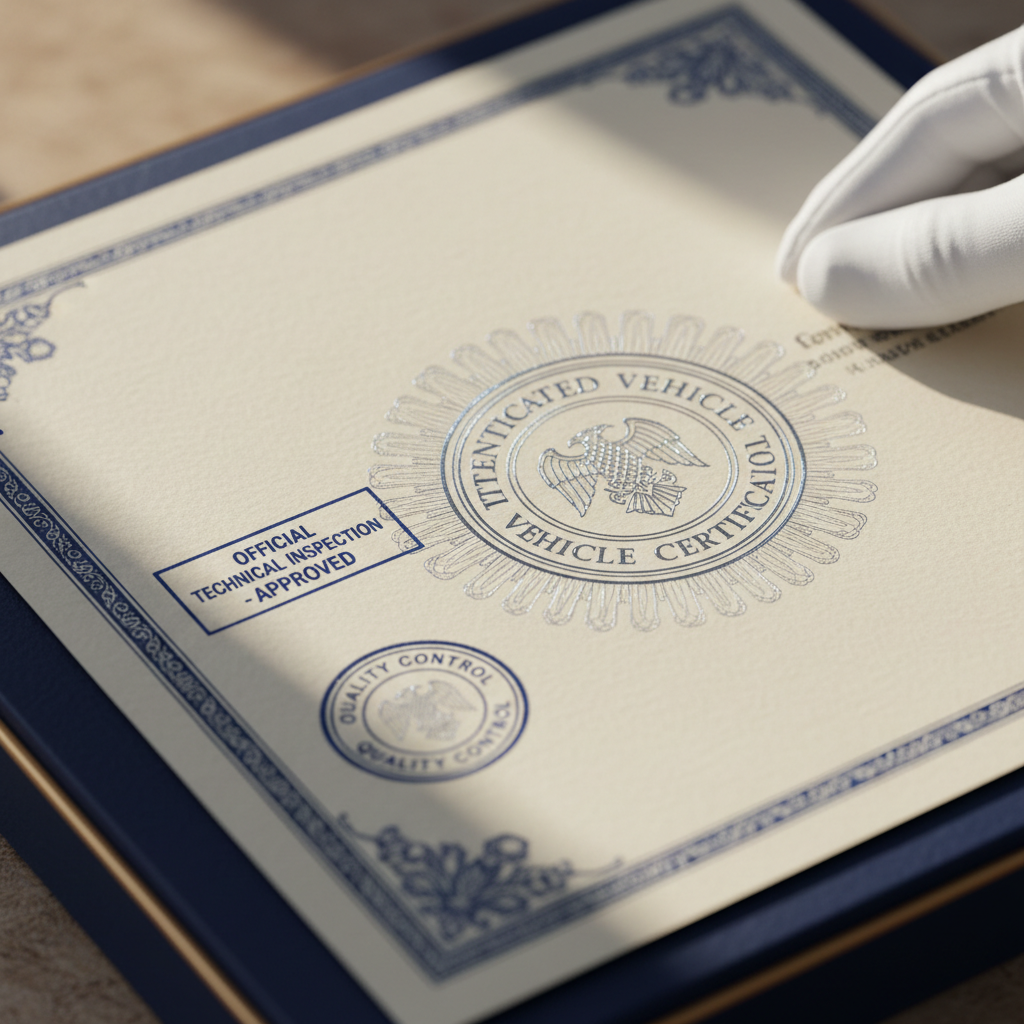
Many people believe that certified translation and notarized translation are interchangeable. While both provide authenticity, they serve different purposes. A certified translation is accompanied by a signed statement from the translator attesting to its accuracy, whereas a notarized translation involves a notary public verifying the identity of the translator.
Understanding the distinction can save time and money, especially in legal contexts where one may be required over the other.
Misconception 2: Any Bilingual Person Can Provide Certified Translation
Another common misconception is that anyone fluent in two languages can provide a certified translation. In reality, certified translations must be performed by professionals with expertise in the subject matter and a strong grasp of both languages. This ensures accuracy and compliance with specific industry standards.

Misconception 3: Machine Translation Can Be Certified
In the age of technology, some assume that machine translation tools can produce certified translations. However, machine translations often lack the nuanced understanding required for legal and official documents. Certified translations require a human touch to ensure precision and adherence to legal requirements.
Relying on machine translation for certified documents can lead to errors and potential legal issues.
Misconception 4: Certified Translation Is Only for Legal Documents
While legal documents are commonly associated with certified translation, this service is not limited to legal contexts. Certified translations are also vital for educational transcripts, medical records, and business agreements, among others. Understanding the wide range of applications can help individuals and businesses prepare adequately.

Misconception 5: Certified Translations Are Universally Accepted
Finally, there is a belief that once a document is certified, it's automatically accepted everywhere. However, acceptance varies by country and organization. It's essential to verify the specific requirements of the receiving institution or country to ensure that the translation meets all necessary criteria.
Consulting with a professional translation service can help navigate these complexities and ensure compliance.
In conclusion, understanding these misconceptions about certified translation can lead to more efficient and effective handling of international documents. By recognizing the importance of professional expertise, accuracy, and compliance, individuals and businesses can avoid common pitfalls and ensure their documents are received and processed smoothly.