
Understanding Certified Translation: Do You Really Need It?


What is Certified Translation?
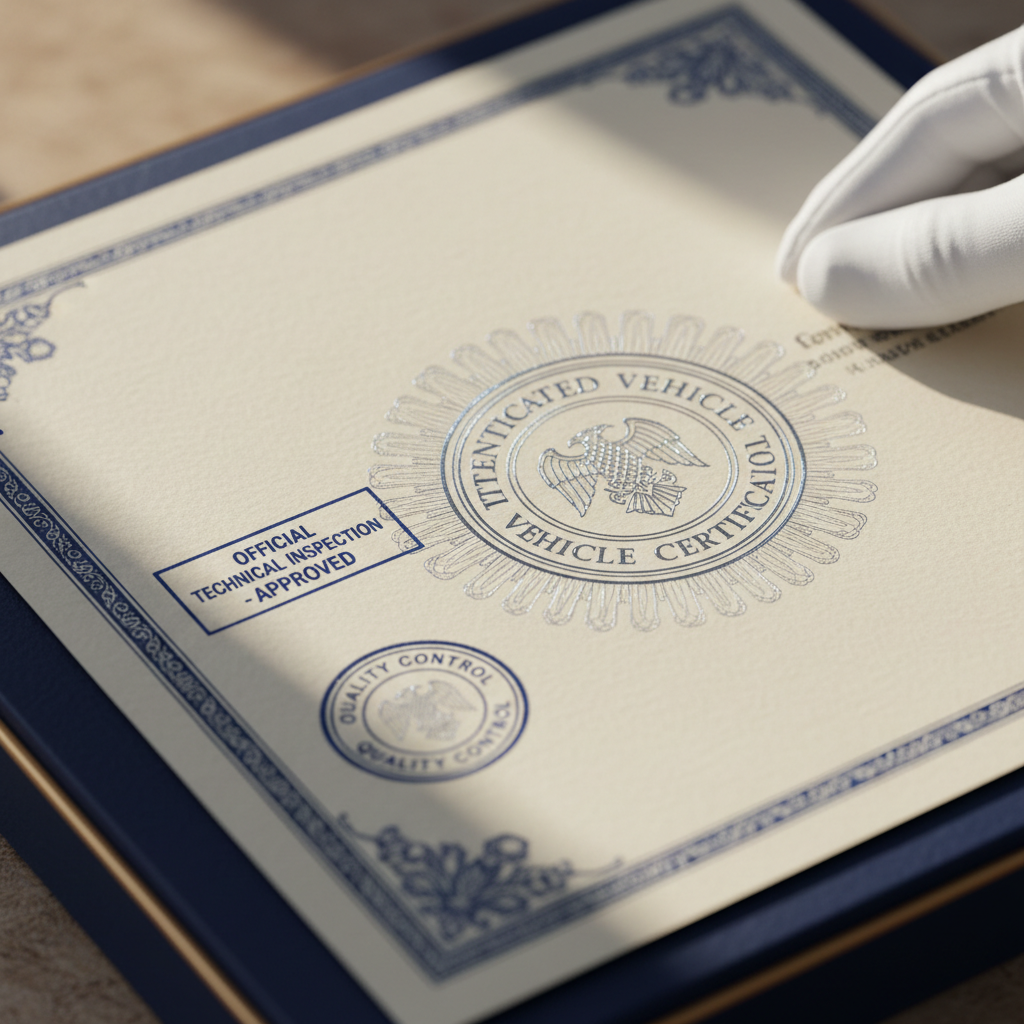
When it comes to translating important documents, the term "certified translation" often arises. But what does it really mean? A certified translation is a translation that is accompanied by a signed statement from the translator or translation agency, affirming that the translation is complete and accurate to the best of their knowledge.
This type of translation is typically required for official documents, such as birth certificates, marriage licenses, and legal contracts, where precision and authenticity are crucial. The certification provides a layer of trust and legality, recognized by institutions and governmental bodies around the world.
When Do You Need a Certified Translation?
Certified translations are necessary in various situations, especially when dealing with legal, governmental, or educational entities. Here are some common scenarios:
- Immigration processes where documents must be submitted in the official language of the country.
- Academic applications involving transcripts or diplomas.
- Legal proceedings requiring contracts or court documents.
In these cases, a certified translation ensures that the translated document is accepted as a true and accurate representation of the original.
Benefits of Certified Translation
Choosing certified translation services offers several advantages. One of the primary benefits is accuracy. Certified translators are often experts in their field, ensuring that the document's meaning is preserved. Furthermore, certified translations provide legal validity, which is essential for official purposes.

Another advantage is the peace of mind it offers. Knowing that your documents are accurately translated and certified can reduce stress, especially in legal or official proceedings where errors can have significant consequences.
How to Obtain a Certified Translation
Acquiring a certified translation is a straightforward process. Here’s how you can do it:
- Identify a reputable translation service or certified translator.
- Submit the original documents and specify the required language for translation.
- Receive the translated documents along with a certification statement.
It's important to select a translator or agency with experience in certified translations to ensure compliance with standards and regulations.

Common Myths About Certified Translation
There are several misconceptions surrounding certified translations. One common myth is that they are needed for all translations. In reality, certified translations are only required for official documents. Another misconception is that they are prohibitively expensive. While they can be more costly than non-certified translations, the benefits often outweigh the costs, especially when accuracy is paramount.
Understanding the nuances of certified translation can help you make informed decisions when dealing with important documents. Whether for personal, educational, or professional reasons, knowing when and why you need a certified translation is crucial for ensuring that your documents are recognized and respected globally.